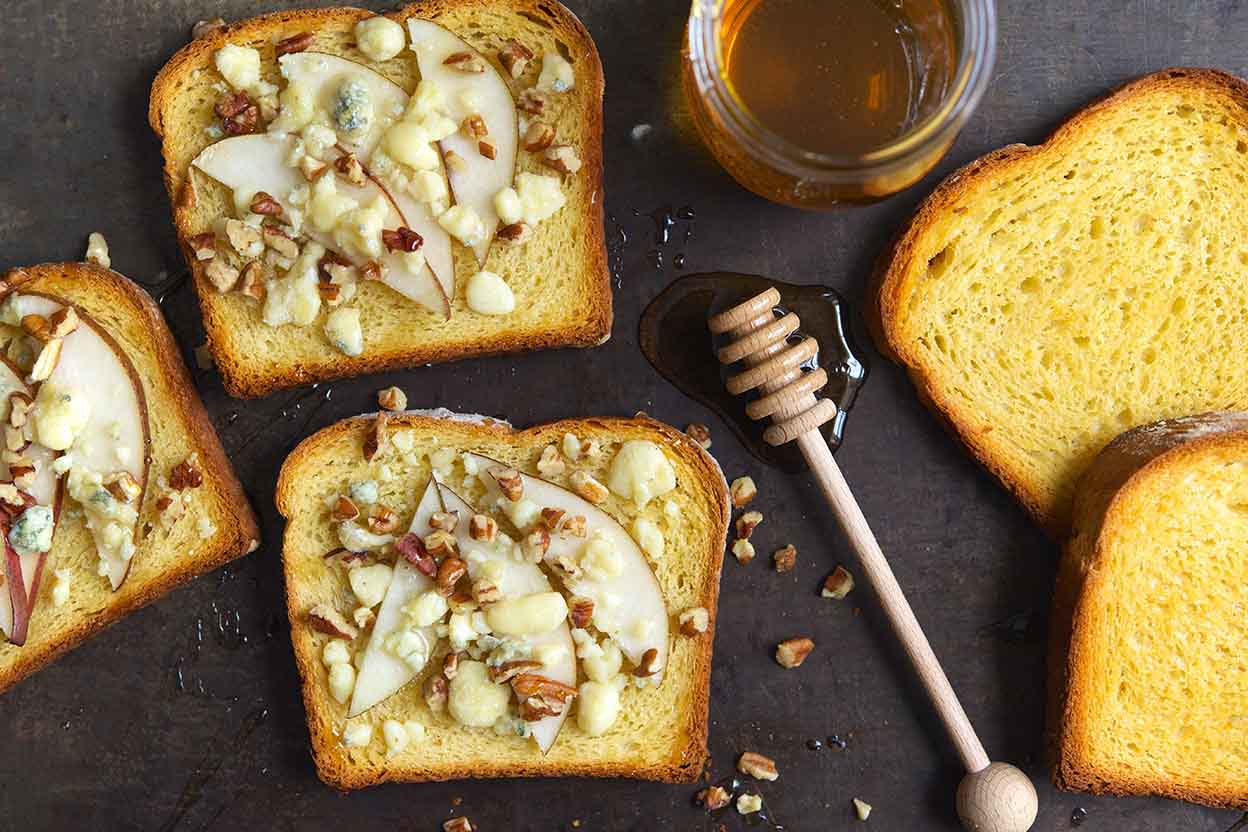
There's nothing quite like the aroma of freshly baked bread filling your home. It’s a primal comfort, a promise of warmth and nourishment. But what if you could elevate that experience to something even more tender, more moist, and with a unique, earthy depth of flavor? Enter the wonderful world of potato bread. This isn't just a twist on your usual loaf; it's a revelation, offering an incredibly soft crumb and a delightful texture that keeps you coming back for more. Whether you’re a seasoned baker or just starting your journey, mastering this potato bread recipe is a truly rewarding endeavor.
Our comprehensive guide will walk you through every step, from selecting the right potatoes to achieving that perfect golden crust. Prepare to bake a loaf that will impress everyone, becoming a staple in your kitchen and a testament to the simple magic of homemade bread.
Why Potatoes Make the Best Bread
You might wonder, why add potatoes to bread dough? The answer lies in their unique properties that transform a good loaf into an extraordinary one. Potatoes bring a trio of benefits: moisture, texture, and flavor, all contributing to a superior bread-making experience.
- Unmatched Moisture Retention: Cooked potatoes, especially when mashed, introduce a significant amount of moisture into the dough. This isn't just water; it's a starch-bound moisture that gets slowly released during baking and cooling. The result? A bread that stays incredibly fresh and moist for much longer than traditional flour-based loaves. Say goodbye to dry, crumbly bread after a day or two!
- Superior Texture: The starch in potatoes works wonders for the bread's crumb. It helps create an exceptionally soft, tender, and slightly chewy texture that is simply irresistible. The potato starch inhibits gluten development just enough to keep the bread from becoming overly tough, while still allowing for a strong, airy structure. It gives the bread a luxurious, pillowy feel.
- Subtle, Earthy Flavor: While not overtly "potato-y," the addition of potatoes imparts a subtle, earthy sweetness and depth to the bread's flavor profile. This makes it incredibly versatile, perfect for both sweet and savory applications. It complements everything from butter and jam to hearty sandwiches.
- Extended Shelf Life: Thanks to the enhanced moisture, potato bread tends to have a longer shelf life. It remains palatable and delicious for several days at room temperature, making it an excellent choice for meal prepping or simply enjoying throughout the week.
Historically, potatoes were often used in bread making as a way to extend scarce flour supplies, especially during leaner times. Today, we embrace them for the pure deliciousness and structural benefits they bring, elevating the humble loaf to new culinary heights.
The Perfect Potato Bread Recipe: A Step-by-Step Guide
Ready to create your own masterpiece? This potato bread recipe is designed for clarity and success, ensuring you achieve a delightful loaf every time.
Ingredients:
- 2 cups (approx. 340g) Russet or Yukon Gold potatoes, peeled and quartered
- 1 cup (240ml) warm milk (105-115°F / 40-46°C)
- 2 ¼ teaspoons (1 standard packet) active dry yeast
- 1 tablespoon granulated sugar (plus a pinch for yeast)
- 1 ½ teaspoons salt
- 4 tablespoons (56g) unsalted butter, melted and cooled (plus extra for greasing)
- 4 to 4 ½ cups (480-540g) bread flour (or all-purpose flour), plus more for dusting
Equipment:
- Large mixing bowl
- Potato masher or fork
- Stand mixer with dough hook (optional, but recommended)
- Measuring cups and spoons
- Rubber spatula or dough scraper
- 9x5-inch loaf pan
- Kitchen scale (for precise measurements, highly recommended)
Instructions:
- Prepare the Potatoes: Place the peeled and quartered potatoes in a medium saucepan. Cover with cold water and add a pinch of salt. Bring to a boil, then reduce heat and simmer until very tender, about 15-20 minutes. Drain thoroughly and return the hot potatoes to the pan. Mash them completely until smooth, ensuring no lumps remain. You should have about 1 ½ cups of mashed potatoes. Let them cool completely to room temperature. This step is crucial; hot potatoes will kill your yeast!
- Activate the Yeast: In your large mixing bowl, combine the warm milk, 1 tablespoon of sugar, and the active dry yeast. Stir gently and let sit for 5-10 minutes until the mixture is foamy. This indicates your yeast is alive and active.
- Combine Ingredients: Add the cooled mashed potatoes, salt, and melted butter to the yeast mixture. Stir well to combine. Gradually add 3 ½ cups of the bread flour, mixing with a wooden spoon or a stand mixer on low speed until a shaggy dough forms.
- Knead the Dough: Turn the dough out onto a lightly floured surface (if kneading by hand) or attach the dough hook to your stand mixer. Knead for 8-10 minutes, gradually adding more flour, a tablespoon at a time, if the dough is too sticky. The dough should be smooth, elastic, and pass the windowpane test (you should be able to stretch a small piece thin enough to see light through it without tearing).
- First Rise (Bulk Fermentation): Lightly grease your mixing bowl. Place the dough in the bowl, turning once to coat. Cover the bowl with plastic wrap or a clean kitchen towel. Let it rise in a warm, draft-free place for 1 to 1 ½ hours, or until doubled in size.
- Shape the Loaf: Gently punch down the risen dough to release the air. Turn it out onto a lightly floured surface. Flatten the dough into a rectangle, about 9x12 inches. Roll the dough tightly into a log, starting from one of the longer sides. Pinch the seam closed and tuck the ends under to create a smooth loaf shape.
- Second Rise (Proofing): Lightly grease your 9x5-inch loaf pan. Place the shaped dough into the pan, seam-side down. Cover the pan loosely with plastic wrap or a kitchen towel. Let it rise again in a warm place for 45-60 minutes, or until nearly doubled in size and the dough springs back slowly when gently poked.
- Preheat Oven & Bake: While the dough is proofing for the second time, preheat your oven to 375°F (190°C). Once the dough has risen, place the loaf pan in the preheated oven. Bake for 35-45 minutes, or until the crust is golden brown and the internal temperature reaches 200-210°F (93-99°C) with an instant-read thermometer.
- Cool: Remove the loaf from the oven and immediately turn it out onto a wire rack. Let it cool completely before slicing. This is important for the texture to set properly. Resist the urge to cut into it too soon!
Tips for Success & Creative Variations
Achieving the perfect loaf of potato bread is incredibly satisfying. Here are some pro tips to ensure your success, along with ideas for how to personalize your potato bread recipe.
Baking Tips for the Best Potato Bread:
- Potato Selection: Russet potatoes are ideal for their high starch content and fluffy texture when mashed. Yukon Golds also work well, offering a slightly richer flavor and creamy texture. Avoid waxy potatoes like red bliss or new potatoes, as they can make the dough gummy.
- Cool Potatoes Completely: This cannot be stressed enough! Warm or hot mashed potatoes will kill the yeast, preventing your bread from rising. Plan ahead and mash your potatoes, allowing them to cool to room temperature (or even chill them slightly) before adding them to the dough.
- Don't Over-Flour: Potato bread dough can be a bit stickier than traditional bread dough due to the moisture from the potatoes. Resist the urge to add too much flour during kneading. A slightly sticky dough will yield a more tender bread. Use just enough flour to prevent sticking.
- Achieve the Right Rise: Finding a warm, draft-free spot for your dough to rise is key. If your kitchen is cool, you can turn your oven on to its lowest setting for a few minutes, then turn it off and let the dough rise inside (with the door ajar to cool slightly). Over-proofing can lead to a dense, collapsed loaf, while under-proofing results in a tight crumb.
- Tap Test for Doneness: Besides an internal thermometer, gently tapping the bottom of the baked loaf should produce a hollow sound, indicating it's cooked through.
Flavorful Variations:
- Herbed Potato Bread: Add 1-2 tablespoons of fresh chopped herbs like rosemary, thyme, or chives to the dough during the kneading stage.
- Garlic & Cheese: Mix in ½ cup of shredded cheddar or Gruyere cheese and 2-3 cloves of minced roasted garlic (not raw, as it can be too pungent) for a savory twist.
- Whole Wheat Potato Bread: Substitute up to 1-2 cups of the bread flour with whole wheat flour for a heartier, nuttier loaf. You might need to add a splash more milk as whole wheat flour absorbs more liquid. If you're looking for even more creative twists on this classic, check out our guide on potato bread recipe - Article 2 for unique ingredient combinations.
- Sweet Potato Bread: Swap russet potatoes for cooked and mashed sweet potatoes for a naturally sweeter loaf with a beautiful orange hue. This pairs wonderfully with warming spices like cinnamon and nutmeg. For advanced techniques or different regional takes on a potato bread recipe, you might enjoy exploring potato bread recipe - Article 3.
Serving Suggestions and Storage
Once your beautiful loaf of potato bread has cooled, it's time to enjoy the fruits of your labor! This versatile bread pairs wonderfully with a variety of meals and spreads.
Serving Suggestions:
- Classic Toast: Simply toast a slice and slather with butter, jam, or marmalade for a delightful breakfast or snack.
- Sandwiches: Its soft texture and sturdy crumb make it perfect for any sandwich, from classic deli meats to grilled cheese.
- Soup & Stew Companion: Tear off a warm piece to sop up hearty soups, stews, or chilis.
- Bruschetta Base: Slice thickly, toast lightly, and top with your favorite bruschetta toppings for an appetizer.
- With Dinner: Serve alongside roasted chicken, a fresh salad, or a pasta dish to complete the meal.
Storage:
Due to its high moisture content, potato bread has an excellent shelf life.
- Room Temperature: Store your cooled potato bread in an airtight container or a bread box for up to 3-4 days. Avoid refrigeration, as it can actually dry out bread faster.
- Freezing: For longer storage, slice the cooled loaf and place the slices in a freezer-safe bag or wrap the whole loaf tightly in plastic wrap, then foil. It will keep well in the freezer for up to 2-3 months. Thaw slices as needed, or pop them directly into a toaster.
There's immense satisfaction in pulling a warm, fragrant loaf of homemade potato bread from the oven. This potato bread recipe delivers on its promise of an incredibly soft, moist, and flavorful bread that far surpasses anything you can buy in a store. It's a comforting classic that elevates everyday meals and makes special occasions even more memorable. We encourage you to try this recipe, experiment with the variations, and discover the joy of baking with potatoes. Enjoy the process, savor the aroma, and delight in every tender bite of your magnificent homemade loaf!
